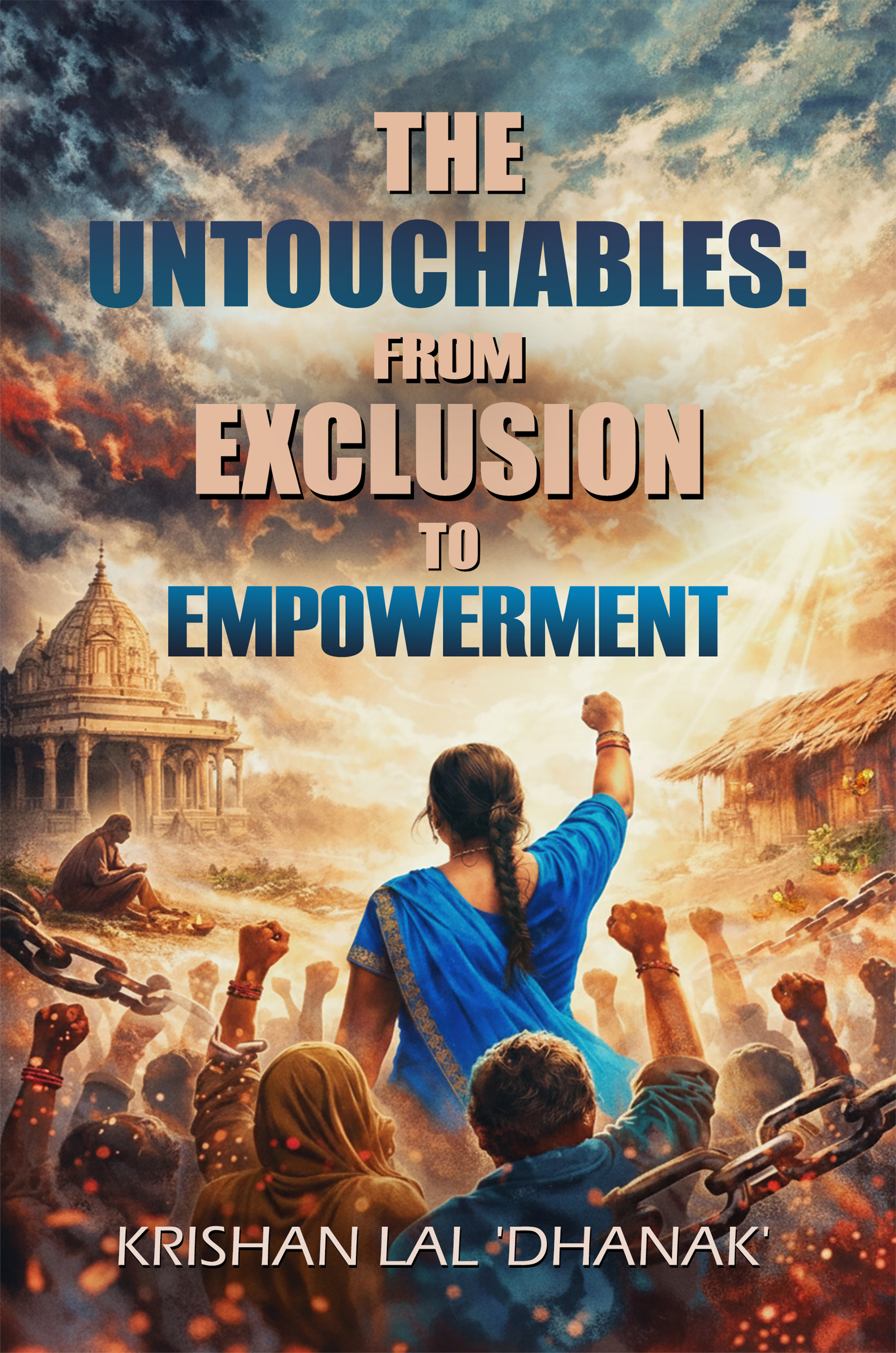
The history of the untouchables, or Dalits, in India is one of systemic exclusion, enduring marginalization, and a gradual, hard-won journey toward empowerment. Rooted in the hierarchical caste system, untouchability constituted one of the most rigid forms of social stratification, restricting access to social, economic, and religious domains for those born into communities labelled as “impure.” Historically, Dalits were relegated to menial occupations such as manual scavenging, leatherwork, and sanitation labour-tasks considered polluting by dominant castes. Beyond occupational segregation, untouchables were denied access to temples, common water sources, schools, and participation in civic life. This structural exclusion created deep socio-economic disparities that persisted across generations, leaving a legacy of systemic disadvantage. Understanding this history requires a careful examination of both the institutional mechanisms of exclusion and the socio-political forces that eventually fostered empowerment.
The origins of untouchability can be traced to the codification of social hierarchies in ancient India. Texts such as the Manusmriti (circa 200 BCE-200 CE) outlined rigid caste-based rules, designating specific communities as outcastes and prescribing severe restrictions on social interactions, occupations, and religious participation. Social ostracism was both a cultural and moral mechanism to enforce hierarchy, legitimizing deprivation through religious sanction. In rural economies, Dalits were largely confined to occupations that sustained society yet were socially devalued, ensuring their continued dependency and social marginalization. Institutionalizing discrimination, the caste system created enduring patterns of social exclusion that persisted through successive historical periods.



 Continue With Google